
Compassionate Mental Health Care for Children, Adolescents, and Young Adults
At Jeena Therapy, we offer evidence-based psychological support tailored to the evolving needs of youth and young adults. Through a holistic framework that integrates individual therapy, family collaboration, and school-based consultation, we address challenges related to ADHD, OCD, anxiety, and emotional well-being with clinical expertise and cultural sensitivity.
A trusted practice based in Lahore, providing licensed virtual therapy across Ontario and New York
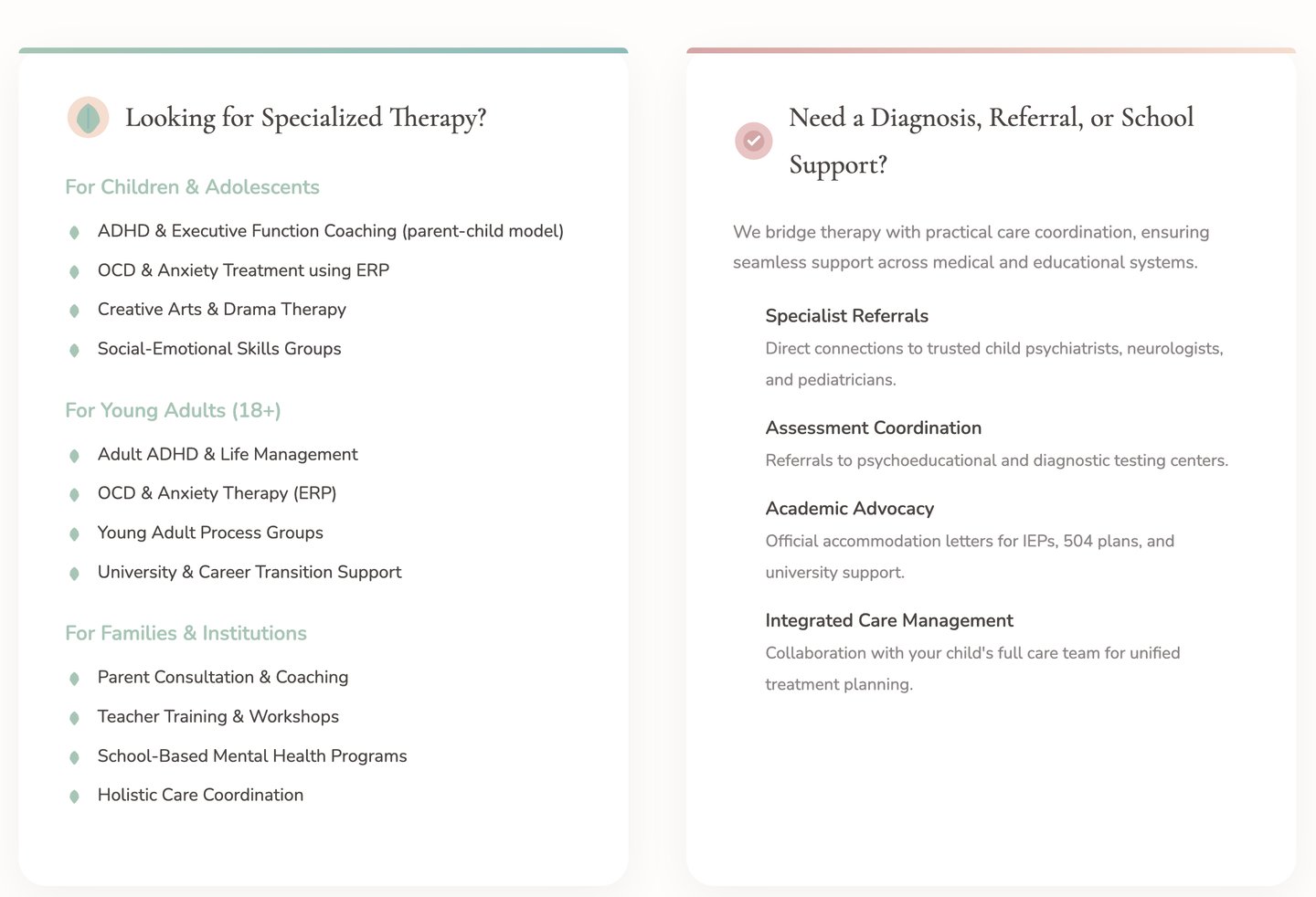
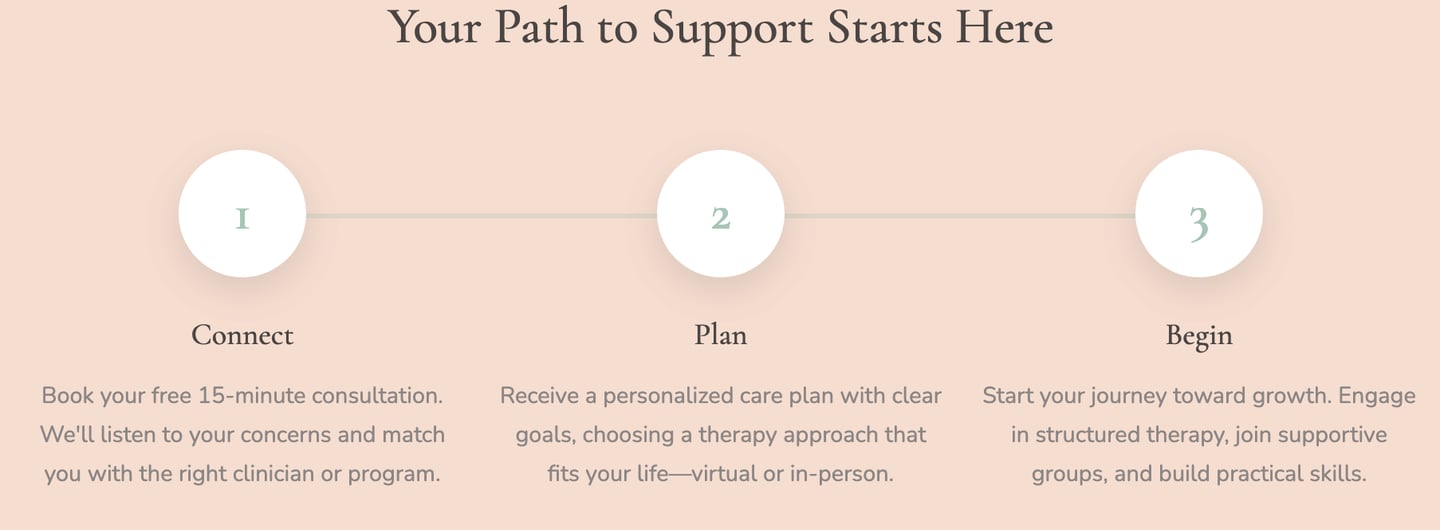
Our services
Evidence-based, holistic mental health care delivered with cultural sensitivity and clinical expertise.
Our Therapeutic Modalities
We integrate multiple evidence-based frameworks to meet each client's unique needs.
Mental‑health stigma, hierarchical social norms, and unequal power dynamics (within families and institutions) can deter help seeking and magnify the risks of dismissive or coercive care. Jeena explicitly aims to do therapy differently by normalizing help‑seeking, practicing culturally sensitive and nonjudgmental care, centering client voice and agency, and addressing social/contextual factors that affect mental health.
How therapy can be harmful or unethical
Misuse of power: therapists who exert undue control, coerce decisions, or take advantage of clients can cause psychological harm and retraumatization.
Shaming, minimizing concerns and value imposition: imposing the clinician’s values, shaming, or pathologizing differences undermines dignity and trust.
Breaches of confidentiality: inappropriate disclosure of client information damages safety and therapeutic alliance and can have legal/social consequences.
Ignoring oppression and context: failing to recognize clients’ cultural, gender, racial, socioeconomic, or political realities (e.g., systemic oppression) can lead to invalidation, misdiagnosis, or harmful recommendations.
How Jeena works to prevent harm
By Being transparent about limits and expectations: clear informed consent, boundaries, limits to confidentiality, treatment goals, and fees so clients know what to expect.
Clients are experts on their own lives: Jeena centers clients’ perspectives, preferences, and goals rather than assuming expertise over their lived experience.
Trauma‑informed, strength‑based, intersectional, systems‑oriented: care recognizes trauma effects, builds on client strengths, attends to intersecting identities (race, gender, class, religion), and situates individual distress within social and structural systems.
Non‑hierarchical stance; clients can question and give feedback: Jeena encourages mutual respect, routine solicitations of client feedback, and processes for addressing concerns or complaints to reduce power imbalances and correct course if